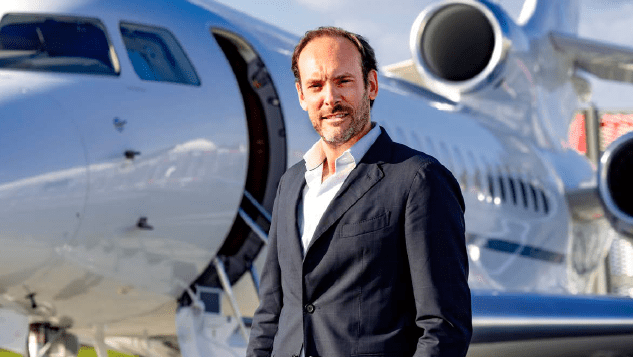
By Sylvie Peron – © Vincent Bourdon – Skyfirst
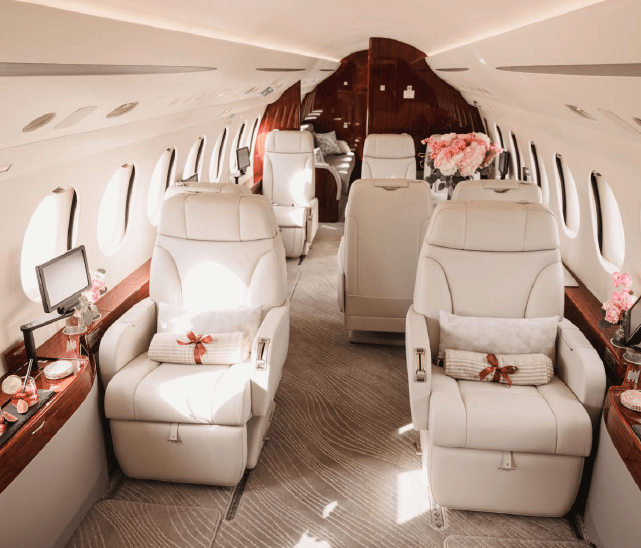
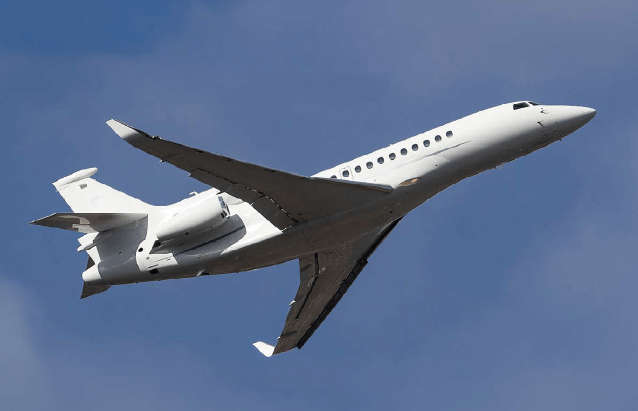
Olivier Perdriel, 41, is a veteran of the aircraft management business, having founded his company, Skyfirst, at just 27, after gaining experience at French air ambulance firm Air Albatros. Over 15 years, he has refined the Skyfirst model: a fleet of long-range jets (four Falcons, one Global Express), a focus on aircraft management, and selectivity in accepting charters to benefit aircraft owners. Skyfirst was among the first operators on the Maltese registry. Perdriel praises the efficiency of Transport Malta and its ability to grow while remaining focused on safety.
We spoke at the Hotel Prince de Galles bar in Paris, where Perdriel displayed the charm and passion that build relationships in aviation, and launched into a subject he considers central to the industry’s success: “collaboration between government and industry for a more rational approach to regulation and taxation.”
S : Before we get into public policy, tell me again the fire truck story. It seems emblematic of what Skyfirst is all about.
“Sure, it’s about going beyond what others might do. This was for a flight to a little island in the Atlantic. Several charter companies turned it down; it just didn’t seem worth the time and trouble. We embrace a challenge. I love the quote by Nelson Mandela: ‘It always seems impossible, until it’s done.’ We live by that. You can’t land a charter jet on the island without the proper kind of fire truck on the field, which they lacked. We thought about this a bit and called the mayor of the local town. Their fire station did have a truck with the right water capacity, and they were happy to place it at the airport for us. Problem solved. Mission accomplished.”
S : Providing that kind of flexibility comes at a price. You worry that excessive taxes and regulations are going to put some charter providers in financial difficulty and close airports.
“We have solid evidence now that the French Solidarity Tax is making this more likely. It applies to airlines and charter operators, though with much higher taxes on the charter operator. The French airports union, the UAF, reports that air traffic in and out of France is down, with a loss of some 1.3 million passengers who boost our economy. Airlines are cutting capacity. Fewer passengers mean fewer expenditures on French territory. The consulting firm Deloitte did a report saying the French government would lose revenue because of reduced traffic and as a result lose jobs, which is a long-run effect much harder to rectify. That seems to be coming to pass. I’m not advocating a blanket opposition to taxes, but first there needs to be a consultation on their impact on companies and employees. Done correctly, it will be fairer, and the government will increase revenue.”

S: So, clearly an effect on airlines, but don’t business jet operators have a clientele that is less price sensitive?
“In fact, they are as price sensitive as anyone else. The European fleet is shrinking. There is less outright ownership of aircraft. These are expensive assets, and that expense is often offset by charter. Moreover, the charter tax is being paid by European operators, giving operators based elsewhere a price advantage. If you tax charter passengers up to 2,000 Euros per flight, you’ll see less flying. If you have less travel to places like Avignon, that airport will end up a shopping center. It just becomes a vicious circle of diminishing demand. But also, I worry about safety. For operators who may be financially struggling, there could be a safety impact. Every year there is a layering on of more regulation. If operators are struggling, they may train less. They’re going to hire fewer people or those with less experience.”
S: It sounds like the duck on the pond.
“Pretty much. Serene on the surface, with beautiful jets arriving and red carpets rolled out, and furious paddling beneath the surface. My thought is, let’s not just complain, let’s be proactive in putting forward solutions. Regulators need a better understanding of the implications of their rules. For example, rules on fuel tankering. You may need to carry extra fuel to a small destination; some places we visit may not have enough fuel. Also, operators can end up buying fuel at a much higher cost, just making it harder to make decent margins.”
S: In terms of business, what’s next for Olivier Perdriel?
“I plan to put more effort into influencing an easier and safer environment for aviation. And I plan to keep the focus on Skyfirst. We have a great team. It’s like a great orchestra all playing in synch. I do my best to be a good conductor. We are open to integrating more aircraft without losing our unique character. We have a simple motto: Safety first; client first. That’s a winning formula. We can apply it in a lot of places.”
“We do a lot of business in Africa. Africa needs more infrastructure, MROs, FBOs. We’re attuned to what’s going on in the supply chain, because we feel the impact when parts are hard to obtain. Some smaller players need to be recapitalized, have stronger OEM relationships, and reinvigorated management. I see a lot of opportunity.”